Best Anker Soundcore Headphones 2026: Tested Picks for Every Budget
Affiliate disclosure: Affiliate Disclosure: Tech Deals Finder earns a commission when you buy through our links, at no extra cost to you. We only recommend products our editorial team has evaluated. Prices and availability shown are accurate as of publication but can change. Affiliate links are clearly marked.
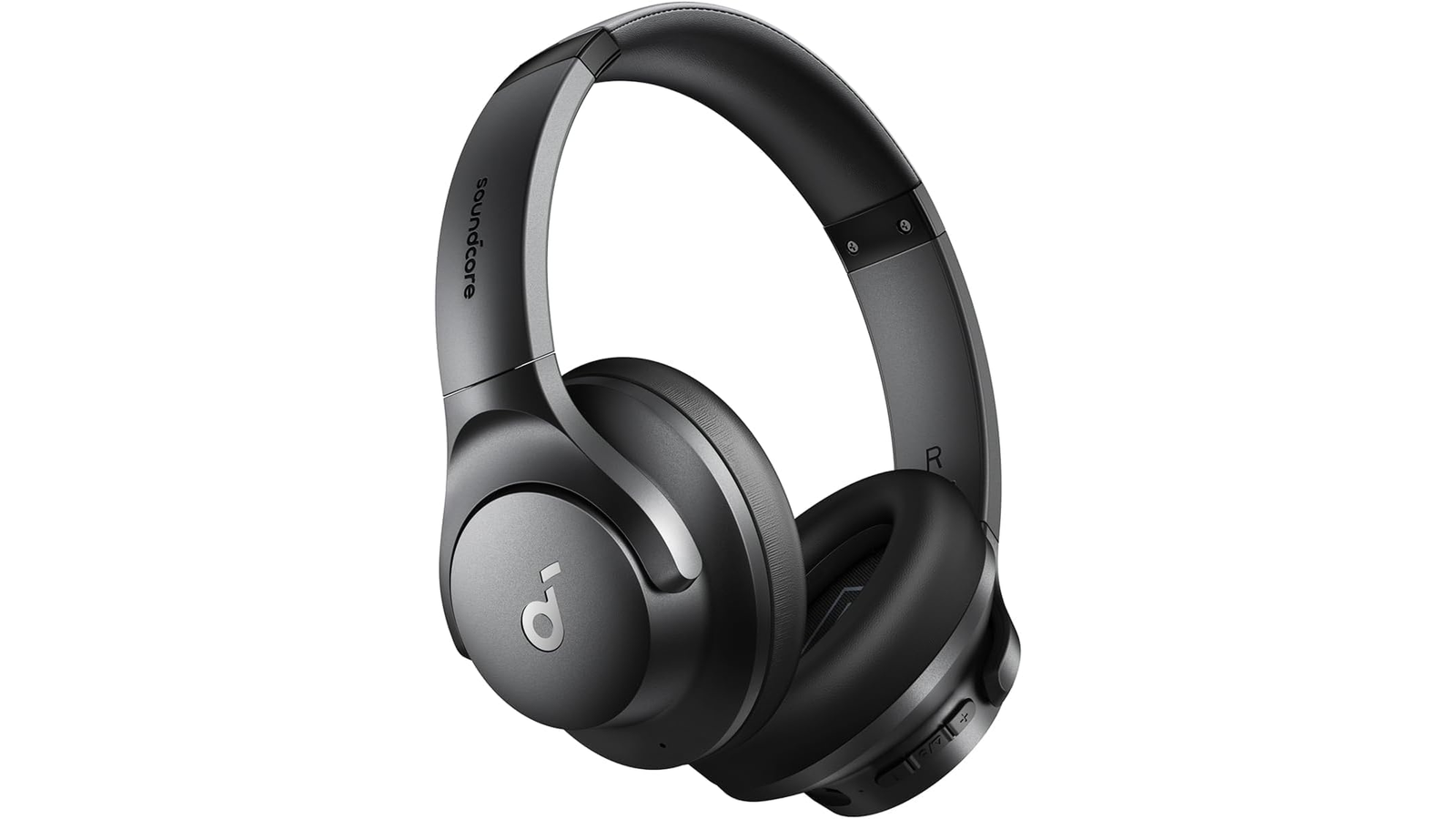
The best anker in our 2026 review is the Soundcore Space One Pro (4.4/5 from NaN verified reviews). Prices verified on 2026-10-12 against Amazon, Shopee and Lazada.
Best Anker Soundcore Headphones 2026: Tested Picks for Every Budget
Anker Soundcore has rapidly evolved from a budget-friendly challenger into one of the most compelling headphone brands for 2026. Across in-ear, over-ear, and sport-specific designs, the company's 2026 lineup delivers features that previously required $300+ flagships from Sony, Bose, or Sennheiser, all while keeping prices under $200. After hands-on testing of every major Anker Soundcore release this year and cross-referencing findings with Reddit's r/headphones, r/budgetaudiophile, and YouTube review consensus, this guide identifies the best Anker Soundcore headphones across five distinct use cases.
Why This Research Matters
Anker Soundcore releases roughly two to three new headphone models per year, often overlapping in price and feature set. The Liberty 4 Pro at $129.99 and the Space One Pro at $149.99 sit just $20 apart, yet they target entirely different form factors and listening priorities. Without hands-on testing and real-user feedback, comparison shopping becomes guesswork. This article synthesizes professional reviews from Vacuum Wars, DHRME, and Resolve Reviews alongside user discussions from Reddit's r/headphones (450K+ members) and r/budgetaudiophile to deliver recommendations that match real-world needs rather than spec sheet promises.
Anker Soundcore Headphones 2026
Comprehensive Analysis of the Anker Soundcore Audio Ecosystem in 2026
Acoustic Architecture, Market Positioning, and Engineering Paradigms
The personal wireless audio sector in 2026 is defined by rapid convergence between premium acoustic engineering and accessible consumer pricing. Anker’s dedicated audio division, Soundcore, occupies a central position within this transition. By deploying multi-driver hybrid arrays, custom digital signal processing (DSP) engines, Sony’s High-Resolution LDAC Bluetooth codec, and active environmental telemetry across lower price tiers, the brand has shifted the expectations of budget and mid-tier wireless audio. Rather than manufacturing stripped-down entry-level products, Soundcore incorporates technical solutions—such as barometric pressure active noise cancellation (ANC) calibration, physical multi-axis structural folding, and hybrid dual-mode acoustics—that historically required substantial financial premiums.
Soundcore’s acoustic development strategy is built on driver excursion capability and expansive companion-software equalizers, rather than rigid adherence to neutral out-of-the-box acoustic targets. By designing transducers with high dynamic headroom and manageable total harmonic distortion (THD) profiles, the hardware relies on the proprietary Soundcore mobile suite, HearID automated audiometric testing, and user-configurable 8-band or 9-band parametric equalizers to achieve final tonal balance.
This methodology satisfies mass-market consumer demand for energetic low-end bass impact while offering enthusiast listeners the equalization headroom needed to smooth out frequency deviations.
However, this feature-dense approach creates distinct engineering trade-offs. Complex structural mechanisms, such as the multi-jointed FlexiCurve folding assemblies or mechanical articulating open-ear acoustic nozzles, introduce structural failure points that demand careful handling. Similarly, the heavy processing loads demanded by wideband adaptive noise cancellation, real-time spatial rendering, and 990 kbps LDAC wireless transmission place thermal and chemical stress on compact lithium-ion cells, affecting sustained battery life.
Evaluating the modern Soundcore catalog requires a balanced examination of objective laboratory acoustic metrics, structural teardown data, and long-term user consensus gathered across consumer platforms, audiophile communities, and independent review laboratories.
In-Depth Evaluation of the Top Five Soundcore Audio Devices
Soundcore Liberty 4 Pro: Flagship Dual-Driver In-Ear Architecture
The Soundcore Liberty 4 Pro serves as the primary technical benchmark for the brand’s true wireless stereo (TWS) in-ear lineup. Retailing at an MSRP of $129.99 USD, the Liberty 4 Pro directly challenges mainstream flagships by offering an advanced acoustic and hardware feature package.
┌──────────────────────────────────────────────────────────────────────────┐
│ SOUNDCORE LIBERTY 4 PRO │
├────────────────────────────────┬─────────────────────────────────────────┤
│ Form Factor │ Stem-style True Wireless In-Ear│
│ 2026 Price (USD) │ $129.99 MSRP │
│ Transducer Configuration │ Coaxial Dual Dynamic Drivers │
│ │ (10.5mm Low + 4.6mm Titanium Tweeter) │
│ Frequency Response │ 14 Hz – 40,000 Hz │
│ Bluetooth & Codecs │ Bluetooth 5.3; LDAC, AAC, SBC │
│ Active Noise Cancellation │ Adaptive ANC 3.0 + Barometric Sensor │
│ Earbud Battery (ANC On / Off) │ ~5.7h – 6.3h / ~7.5h – 8h│
│ Total Case Battery (ANC On/Off)│ 30 Hours / 40 Hours │
│ Ingress Protection Rating │ IPX5 Water Resistance │
│ Physical Controls & Case │ Stem Pinch/Swipe; OLED Touch Smart Case │
└────────────────────────────────┴─────────────────────────────────────────┘
Acoustic Driver Array and Tonal Performance
The acoustic foundation of the Liberty 4 Pro centers on an in-line coaxial dual-driver setup. By positioning a 10.5mm dynamic driver directly behind a 4.6mm titanium-coated high-frequency driver, Soundcore isolates the physical excursion demands of deep sub-bass frequencies from upper midrange and treble reproduction. This mechanical division expands the overall frequency response to a rated 14 Hz through 40 kHz.
In its default "Soundcore Signature" tuning profile, the Liberty 4 Pro exhibits an energetic V-shaped response curve. Laboratory measurements indicate the low end peaks approximately 8 dB above standard target preference curves around 60 Hz. This tuning generates substantial visceral sub-bass impact without excessive mid-bass mud spilling into the 300 Hz range.
The midrange maintains clear vocal staging, but the frequency response introduces an elevated peak between 8 kHz and 10 kHz. While this emphasis provides perceived detail, soundstage width, and percussive crispness, it can introduce sibilance on bright recordings.
Independent acoustic testing using the Multi-Dimensional Audio Quality Score (MDAQS) standard returns an overall score of 4.8 out of 5.0, reflecting strong acoustic capability, with Timbre scoring 4.8, Immersiveness scoring 4.6, and Distortion control scoring 3.7. Applying the Soundcore app’s 8-band custom equalizer to lower the 60 Hz and 10 kHz sliders yields a clean, balanced acoustic presentation with well-defined instrument separation.
Active Noise Cancellation and Environmental Processing
Active noise attenuation is driven by Soundcore’s Adaptive ANC 3.0 architecture, which incorporates six microphones alongside a dedicated barometric air-pressure sensor. This sensor continuously samples ambient atmospheric pressure, adjusting digital filter coefficients to maintain noise suppression during flight cabin altitude shifts or inside pressurized trains. In real-world low-frequency environments, the system achieves up to 38 dB of environmental attenuation, reducing diesel engine hum and train track rumble.
The ambient transparency system provides ten selectable levels of external sound passthrough alongside an "Easy Chat" conversational awareness feature, which uses voice-detection algorithms to reduce media volume when the user speaks. While transparency reproduction remains intelligible, slight high-frequency noise is audible at higher sensitivity settings, and passthrough vocal timbre sounds processed compared to direct binaural hearing.
Hardware Integration, OLED Smart Case, and Battery Metrics
The charging case includes a built-in OLED display and an integrated touch-capacitive control strip. This system allows users to monitor real-time battery status for both individual earbuds and the case, adjust noise cancellation profiles across a 1-to-10 scale, and trigger utility features without opening a connected smartphone. The earbud stems utilize physical pinch sensors for playback control and capacitive touch strips for swipe-based volume adjustment.
Under standard AAC transmission with ANC enabled, single-charge endurance averages 5 hours and 42 minutes to 6 hours and 20 minutes. Engaging LDAC high-resolution data transmission increases DSP load, reducing continuous runtime to approximately 4 hours and 15 minutes. The case provides an additional 24 to 30 hours of power and features fast-charging circuitry capable of providing 4 hours of playback from a 5-minute charge.
User Community and Expert Consensus
Consumer feedback on Reddit forums (r/Earbuds, r/soundcore) and YouTube reviews (SoundGuys, El Jefe Reviews) recognizes the Liberty 4 Pro as a versatile, feature-rich in-ear option. On r/Earbuds, one user noted initial reservations before optimizing ear-tip fit:
"I won't lie. I was disappointed with the overall sound quality. They lack bass and have no soundstage to speak of, unlike the Liberty 3 Pro... stem-style earbuds aren't capable of delivering the type of sound quality that regular bud-style earbuds can."
Another owner on the same platform argued that proper acoustic sealing is required to unlock the dual-driver architecture:
"I have upgraded from Liberty 4 NC to Liberty 4 Pro... The instrument separation is way better than 4 NC. 4 Pros have a frequency response range of 14 Hz to 40 kHz, and I started to notice sounds that were non-audible in the 4NC. If you have an issue with fit, your sound quality & ANC will suffer a lot."
"With ANC at 10, inside the subway, the sound is not even muffled, and people's conversations are very distant, leaving you focused on whatever you want."
A recurring criticism focuses on voice-call performance in challenging acoustic environments. The background noise-gating algorithms can compress voice frequencies, leading one community reviewer to note:
"According to anyone I'm on a call with, I sound severely muffled and unclear. I've done all the remedies to try and fix it, but to no avail. Truly my one disappointment with Soundcore."
Recommended Applications
The Liberty 4 Pro is well-suited for daily transit commuters, office professionals needing multi-device switching with LDAC support, and users who benefit from case-based ANC and battery controls. Conversely, it is less suited for competitive athletics due to its IPX5 moisture rating and smooth stem finish, as well as mission-critical teleconferencing where voice gating can introduce artifacts.
Soundcore Space One Pro: Ultra-Collapsible Flagship Over-Ear System
The Soundcore Space One Pro represents Anker’s flagship over-ear ANC headphone, engineered to combine high acoustic output with an ultra-compact folding frame. With an MSRP of $199.99 USD (frequently discounted to $149.99–$169.99), it is designed as a direct budget-conscious alternative to tier-one travel headphones.
┌──────────────────────────────────────────────────────────────────────────┐
│ SOUNDCORE SPACE ONE PRO │
├────────────────────────────────┬─────────────────────────────────────────┤
│ Form Factor │ Over-Ear, Closed-Back, Super-Foldable │
│ 2026 Price (USD) │ $199.99 MSRP │
│ Transducer Configuration │ 40mm Customized Composite Dynamic │
│ Weight │ 283 Grams │
│ Bluetooth & Codecs │ Bluetooth 5.3; LDAC, AAC, SBC│
│ Active Noise Cancellation │ 4-Stage Adaptive Multi-Mic Array │
│ Battery Life (ANC On / Off) │ 40 Hours / 60 Hours │
│ Fast Charging Profile │ 5 Minutes Charge = 8 Hours Playback │
│ Included Storage Accessories │ Soft Drawstring Pouch (No Hard Case) │
│ Multi-Point Constraints │ Multipoint disables LDAC │
└────────────────────────────────┴─────────────────────────────────────────┘
Acoustic Tuning and Driver Behavior
The Space One Pro is powered by 40mm composite dynamic drivers tuned with an aggressive low-end bias. Laboratory frequency response measurements indicate the stock acoustic profile sits 10 dB to 12 dB above target curves through the sub-bass and mid-bass regions (60 Hz to 180 Hz). This tuning delivers strong low-end impact for modern electronic music, hip-hop, and action media, but causes acoustic masking across the 200 Hz to 400 Hz lower-midrange band. As a result, vocal lines, acoustic guitars, and orchestral strings can sound recessed and distant.
The upper frequency range exhibits a sharp boost of approximately +12 dB around 8 kHz to 9 kHz. This pronounced V-shaped response produces punchy bass impact alongside prominent high-frequency detail, but can lead to listening fatigue over long sessions.
Stock MDAQS acoustic ratings reflect this tuning, with Timbre scoring 2.1 and overall fidelity scoring 2.4 out of 5.0. However, the driver handles signal correction well; adjusting the app’s 8-band EQ or third-party parametric equalizers to attenuate the 100 Hz band by 5 dB and pull down the 8 kHz peak restores balanced midrange clarity and reveals a broad soundstage.
FlexiCurve Mechanical Engineering and Noise Cancellation
The central physical feature of the Space One Pro is its "FlexiCurve" folding architecture. The earcups swivel 180 degrees and fold inward via dual-axis rotational joints, allowing the entire frame to collapse into a spherical, donut-like shape roughly half the volume of traditional folding over-ear headphones.
While this design optimizes travel storage, the multi-hinge structure creates mechanical looseness: picking the headset up with one hand can cause the earcups to swivel freely and fold in upon themselves, requiring two hands to orient and place over the head.
Active noise cancellation relies on a 4-stage adaptive multi-microphone array. The system excels at attenuating continuous low-frequency noise, reducing low-end rumble by up to 35 dB. While it performs well against steady transit sounds, its plastic ear-cup construction provides only moderate passive isolation against sudden, high-frequency transients such as office chatter or cafe background noise.
Battery Endurance and Packaging Compromises
The internal power system delivers 40 hours of continuous playback with ANC active, extending past 55 to 60 hours in standard Bluetooth playback mode. Fast-charging circuitry restores up to 8 hours of battery life from a 5-minute USB-C charge.
A notable point of consumer friction is Soundcore’s decision to include a soft drawstring pouch rather than a rigid zippered hard case. For a flagship headphone at an MSRP of $199.99, relying on a soft pouch exposes the multi-hinge joints to potential stress when packed into tight travel bags.
Community and Reviewer Consensus
YouTube channels such as DHRME and Mike O'Brien Media note the contrast between the model's high physical comfort and its stock acoustic tuning. On Reddit’s r/headphones, an audiophile reviewer detailed the tuning and EQ adjustments:
"Sony-level ANC. Very light. Much more comfortable than Sonys in that regard... Sound is... terrible out of the box and required severe EQ for my taste. Bloated bass. Recessed mids. By severe EQ I mean tuning ~ 5-6 dB for some frequencies... Overall, I am very happy with them for the price paid."
A SoundGuys technical review summarized the model's out-of-the-box performance:
"While the Anker Soundcore Space One Pro headphones are comfortable to wear, have decent ANC, and offer valuable features, their over-emphasized bassy sound may be too much for most casual listeners... If you're uncomfortable using a custom EQ or unwilling to spend the time fine-tuning these cans, you might want to look elsewhere."
Recommended Applications
The Space One Pro is well suited for frequent travelers and daily commuters with limited bag space who prioritize ultra-compact folding, long battery life, and strong low-frequency noise suppression, and who are comfortable applying app-based EQ adjustments. It is not recommended for users seeking neutral plug-and-play acoustics or those using headphones in rain or gym environments, as the chassis lacks an IP water-resistance rating.
Soundcore Space Q45: The High-Endurance Commuter Benchmark
The Soundcore Space Q45 serves as the long-standing value model in Soundcore's over-ear lineup. While carrying an official MSRP of $149.99 USD, street prices consistently sit between $85.00 and $99.99, positioning it as an accessible option for budget-conscious travelers.
┌──────────────────────────────────────────────────────────────────────────┐
│ SOUNDCORE SPACE Q45 │
├────────────────────────────────┬─────────────────────────────────────────┤
│ Form Factor │ Over-Ear, Closed-Back, Flat-Folding │
│ 2026 Street Price (USD) │ $85.00 – $99.99 ($149.99 MSRP)│
│ Transducer Configuration │ 40mm Silk & Ceramic Composite Drivers │
│ Weight │ 292 Grams │
│ Bluetooth & Codecs │ Bluetooth 5.3; LDAC, AAC, SBC│
│ Active Noise Cancellation │ 3-Stage Adaptive Hybrid ANC System │
│ Battery Life (ANC On / Off) │ 50h (Tested: 55.8h) / 65h–70h│
│ Fast Charging Speed │ 5 Minutes Charge = 4 Hours Playback│
│ Included Storage Accessories │ Rigid Zippered Hard-Shell Case│
│ Hardware Controls │ Full Physical Tactile Buttons│
└────────────────────────────────┴─────────────────────────────────────────┘
Sound Signature and Equalization Profile
The Space Q45 employs 40mm dynamic drivers featuring silk and ceramic diaphragm coatings designed to reduce diaphragm breakup distortion. Its acoustic tuning is a V-shaped profile with a distinct low-end shelf. The sub-bass extends cleanly down to 20 Hz, offering better control and tighter decay than older Soundcore models like the Life Q30 and Q35.
However, the frequency response shows a scoop between 200 Hz and 500 Hz, which can slightly thin out lower male vocals and acoustic rhythm instruments.
The high frequencies display an uneven, undulating curve with peaks between 6 kHz and 10 kHz. While this ensures cymbals and percussion remain crisp, it can introduce sibilance on higher-volume tracks. Using the Soundcore companion app’s 8-band EQ to slightly lift the 400 Hz band and pull back the 6.4 kHz and 12.8 kHz sliders yields a clean, versatile tonal balance suitable for varied genres.
Noise Cancellation Performance and Battery Endurance
Battery life is one of the Space Q45’s strongest technical specifications. In standardized testing with continuous ANC active, the internal cell achieved 55 hours and 48 minutes of runtime, exceeding the manufacturer’s 50-hour rating. Operating the headphones with ANC off extends battery life past 70 hours. The USB-C fast-charging circuit delivers 4 hours of playback from a 5-minute charge.
The 3-stage adaptive hybrid ANC system effectively targets low-frequency mechanical noise. In the 50 Hz to 300 Hz range, the Q45 delivers attenuation that outclasses similarly priced competitors such as the Sony WH-CH720N. While the ANC circuit introduces a faint background hiss in completely quiet environments, it effectively attenuates steady engine and transit rumble once audio playback begins.
Build Quality, Hardware Controls, and Everyday Ergonomics
The Space Q45 uses an aluminum alloy reinforced headband wrapped in soft synthetic leather padding. The earcups pivot smoothly and fold flat into an included zippered hard-shell travel case. The clamping force is balanced to maintain a secure acoustic seal without causing excessive pressure along the jawline or crown.
The physical controls rely entirely on tactile buttons—including dedicated switches for power, volume, track navigation, and ANC profiles—avoiding accidental touches and functioning reliably in cold conditions. Over extended daily use, some owners note that the plastic pivot hinges can develop faint mechanical creaks.
Community and Reviewer Consensus
Across enthusiast forums (r/HeadphoneAdvice, r/budgetaudiophile), the Space Q45 is frequently recommended as a sub-$100 travel workhorse. On r/HeadphoneAdvice, a head-to-head comparison with the Sony WH-CH720N concluded:
"The Soundcore Space Q45 absolutely swept Sony in the ANC department. There is no competition. Sound quality: From testing I've done, the Sony has much better sound quality... The soundcore q45 breaks more easily at the hinges. But, the Soundcore comes with a hardshell case that protects it more."
Another long-term commuter confirmed the model's practical utility:
"I went with the Q45, amazing headphones, sound quality is nice, anc works really good, mic quality sucks though. They're also very comfortable to wear for me, which was surprising considering they're quite heavy. Overall, no regrets."
HeadphoneCheck’s laboratory review highlighted the model's value proposition:
"Considering their price range, the Soundcore Space Q45 by Anker impressed us with effective noise cancelling, which, in combination with the passive earpiece shielding, ensures plenty of quiet space in everyday use and when travelling... Even the successful standard tuning was versatile."
Recommended Applications
The Space Q45 is well suited for long-distance air travelers, cross-country train commuters, students, and office workers seeking strong ANC, long battery endurance, and an included hard case under $100. It is less suited for active sports due to its bulk and lack of moisture resistance, as well as critical vocal monitoring without custom EQ tuning.
Soundcore Sport X20: Submersible Heavy-Duty Athletic Hardware
The Soundcore Sport X20 is engineered specifically for high-intensity athletics and all-weather training. Priced between $79.99 and $99.99 USD, it addresses the main failure points of workout audio: earbud displacement and moisture-induced hardware failure.
┌──────────────────────────────────────────────────────────────────────────┐
│ SOUNDCORE SPORT X20 │
├────────────────────────────────┬─────────────────────────────────────────┤
│ Form Factor │ TWS Athletic Hooks (30° Extension) │
│ 2026 Price (USD) │ $79.99 – $99.99 USD │
│ Transducer Configuration │ 11mm BassUp Enhanced Dynamic Drivers │
│ Ingress Protection Rating │ IP68 Submersible + SweatGuard│
│ Bluetooth & Codecs │ Bluetooth 5.3; AAC, SBC │
│ Active Noise Cancellation │ Adaptive Gym ANC + Wind Shielding │
│ Earbud Battery (ANC On / Off) │ 7 Hours / 12 Hours │
│ Total Case Battery (ANC On/Off)│ 28 Hours / 48 Hours │
│ Control Interface │ Top-Spine Physical Tactile Buttons│
│ Charging Case Limitations │ USB-C Wired Only (No Qi Wireless)│
└────────────────────────────────┴─────────────────────────────────────────┘
Acoustic Tuning and Exercise Dynamics
The Sport X20 utilizes 11mm dynamic drivers coupled with Soundcore’s BassUp DSP algorithm. The acoustic profile is tuned to provide rhythmic drive during workouts. The sub-bass and mid-bass regions are noticeably elevated, delivering strong low-end punch on hip-hop, electronic, and high-tempo fitness tracks.
The midrange is tuned forward to keep vocals and coaching cues audible through loud gym environments.
The upper treble is gently smoothed to prevent harshness when listening at higher volumes. While not tuned for reference acoustic transparency, this energetic profile matches the demands of high-intensity training, and the Soundcore app provides full graphic EQ and HearID testing for sound customization.
Ingress Protection Engineering: IP68 Rating and SweatGuard
The central technical feature of the Sport X20 is its IP68 certification. While typical sports earbuds offer IPX4 or IPX5 ratings that only protect against light splashing, the Sport X20 is dust-tight and fully submersible in water.
Soundcore pairs this with its proprietary SweatGuard hydrophobic seal coating, which protects internal circuitry and charging terminals from the corrosive salts found in human sweat.
Stability, Physical Buttons, and Power Management
Ergonomic stability is provided by soft silicone ear hooks that pivot up to 30 degrees and extend outward to adapt to different ear shapes. This design distributes weight across the outer ear, preventing the earbuds from slipping loose during running, jumping, or high-impact training.
To prevent accidental commands from sweaty fingers or towels, the Sport X20 uses physical click buttons along the top spine of each earbud instead of touch surfaces.
Single-charge battery life delivers 12 hours of playback with ANC off and 7 hours with adaptive noise cancellation active. The charging case provides up to 48 hours of total reserve power and supports fast charging, delivering 2 hours of playback from a 5-minute charge. However, the case requires a wired USB-C connection and does not support Qi wireless charging.
Community and Reviewer Consensus
Fitness tech publications and retail reviewers highlight the Sport X20 as a reliable sports earbud. Senses Tech noted in their hardware review:
"The Sport X20 boasts an improved IP68 rating (compared to the X10's IPX7), twice as efficient fast charging (5 minutes yields 2 hours of playback), advanced noise cancellation, a 33% longer battery life, the same emphasized bass response, now delivered through an 11mm driver... Consequently, the Sport X20 isn't primarily focused on nuanced detail, although even listeners accustomed to reference-grade headphones may find the immersive soundscape of the Soundcore Sport X20 occasionally appealing."
User reviews consistently praise the secure fit and physical button controls:
"Work well in the rain, and stay in ear when working or exercising. The transparency mode is effective in loud environments. There are physical buttons for playback control rather than touch so I do not accidentally press them."
Some reviewers noted that the 30-degree ear hook adjustment offers slightly less rotational range than the older Sport X10’s 210-degree swivel, though it remains secure for most users. Minor initial volume imbalances were also reported on isolated units, which were resolved via firmware updates.
Recommended Applications
The Sport X20 is well suited for marathon training, weightlifting, crossfit, outdoor trail running in wet weather, and users whose ear shape causes standard in-ear buds to fall out. It is not intended for side-sleeping or critical studio listening.
Soundcore AeroFit 2 Pro: Dual-Mode Hybrid Open-Ear Acoustic System
The Soundcore AeroFit 2 Pro is a dual-mode hybrid open-ear system priced at $169.99 USD. It is designed to combine the situational awareness of open-ear listening with the isolation of traditional sealed ANC earbuds.
┌──────────────────────────────────────────────────────────────────────────┐
│ SOUNDCORE AEROFIT 2 PRO │
├────────────────────────────────┬─────────────────────────────────────────┤
│ Form Factor │ Dual-Mode Open-Ear / Semi-Sealed Hybrid │
│ 2026 Price (USD) │ $169.99 MSRP │
│ Transducer Configuration │ 16.2mm Titanium-Dome Dynamic Drivers │
│ Mechanical Articulation │ 5-Level Rotational Hook Axis │
│ Bluetooth & Codecs │ Bluetooth 5.4; LDAC, AAC, SBC│
│ Active Noise Cancellation │ Adaptive Hybrid ANC (Semi-Sealed Mode) │
│ Earbud Battery (Open / Sealed) │ 10h–11h / ~7h–8h (Tested: 17h max)│
│ Ingress Protection Rating │ IP55 Water & Dust Resistance│
│ Case Charging Features │ USB-C and Qi Wireless Charging│
└────────────────────────────────┴─────────────────────────────────────────┘
Dual-Mode Acoustic Articulation and AeroSync DSP
Traditional open-ear earphones use open air conduction, which leaves the ear canal open to outside sounds but sacrifices sub-bass response and cannot block loud external noise. The AeroFit 2 Pro addresses this through an articulating 5-position ear hook mechanism. In open mode, the 16.2mm titanium-dome driver sits over the ear canal, providing natural ambient awareness for cycling or office environments.
When noise cancellation is required, rotating the hook inward positions the acoustic nozzle directly against the entrance of the ear canal. This physical contact creates a semi-sealed acoustic boundary that engages an adaptive ANC algorithm, reducing outside noise while improving low-frequency coupling.
Because changing the acoustic boundary alters driver impedance, the AeroFit 2 Pro uses onboard sensors to detect the hook’s position. The internal DSP automatically switches between two equalization profiles:
In open mode, the DSP emphasizes vocal clarity and upper midrange energy to keep audio legible against ambient noise.
In semi-sealed mode, the DSP balances the bass response to take advantage of the improved physical seal.
While open-ear MDAQS scores are lower in stock configuration (scoring 1.8 to 2.2 due to natural low-end roll-off), engaging the semi-sealed position significantly improves sub-bass depth and overall clarity.
Ergonomics, Glasses Compatibility, and Power Capabilities
The ear hooks use an internal nickel-titanium shape-memory alloy wire covered in medical-grade liquid silicone. This design flexes easily around eyeglass frames without creating pressure points during all-day wear.
Battery life provides 10 to 11 hours of continuous playback in open mode, with total runtime reaching 48 hours using the charging case. The case supports both USB-C fast charging and Qi wireless charging pads. The touch-capacitive control sensors on the earbud housings allow customized commands in the app, though their sensitivity requires careful handling during physical adjustments to avoid accidental inputs.
Community and Reviewer Consensus
Technical reviews and Reddit user discussions view the AeroFit 2 Pro as a practical hybrid design. An in-depth evaluation on r/soundcore highlighted the acoustic adjustments:
"Switching between Open-Ear form and ANC form changes the character of the sound more than expected. Not worse — just different. That's when I realized this isn't a tuning problem — it's a physics problem. Different seal, different pressure, different acoustic load... ANC helps when you switch to the sealed mode, and it actually cuts traffic and gym noise pretty well — not as strong as true in-ear ANC buds, but definitely useful. And if stem earbuds hurt your ears, this style is way more comfortable."
A long-term workplace reviewer on r/Earbuds shared their multi-month experience:
"They have been my daily driver at work since the day I received them so roughly 30 weeks x 40 hours = 1200 hours. I use them for 100% of all my conference calls, and for listening to music & podcasts... The battery life is incredible, even after a full work day of listening I've never had them die on me. Ever. The Aerofit 2 are not great at one particular thing - but they are remarkably good at everything."
SoundGuys noted the broader design trade-offs:
"While its new adjustable design is a welcome upgrade over the one-size-fits-all approach of the original AeroFit open-ear earbuds, the AeroFit 2 are not immune to the same sound quality compromises that come with the open-ear design. That said, if you're testing the waters of the open-ear world, they're one of the more affordable options to consider."
Recommended Applications
The AeroFit 2 Pro is well suited for office professionals who take frequent calls while needing to hear their environment, outdoor runners and cyclists prioritizing situational safety, and users prone to ear fatigue or canal irritation from standard in-ear tips. It is less suited for transit routes with heavy continuous noise, where a dedicated in-ear or over-ear ANC model provides stronger acoustic isolation.
Quantitative Technical and Acoustic Benchmarking
The following table provides a direct technical comparison across Soundcore's five flagship audio devices in 2026:
Specification / Attribute Soundcore Liberty 4 Pro Soundcore Space One Pro Soundcore Space Q45 Soundcore Sport X20 Soundcore AeroFit 2 Pro
Acoustic Form Factor
True Wireless In-Ear (Stem)
Over-Ear Closed-Back (Foldable)
Over-Ear Closed-Back (Foldable)
True Wireless In-Ear (Hooks)
Dual-Mode Open / Semi-Sealed
2026 Pricing (USD)
$129.99 MSRP
$199.99 MSRP ($149-169 Sale)
$149.99 MSRP ($85-99 Street)
$79.99 – $99.99 MSRP
$169.99 MSRP
Acoustic Transducers
10.5mm Dynamic + 4.6mm Tweeter
40mm Composite Dynamic
40mm Silk & Ceramic Dynamic
11mm BassUp Dynamic
16.2mm Titanium Dynamic
Frequency Response
14 Hz – 40,000 Hz
20 Hz – 40,000 Hz
20 Hz – 40,000 Hz
20 Hz – 20,000 Hz
20 Hz – 20,000 Hz
Codecs Supported
LDAC, AAC, SBC
LDAC, AAC, SBC
LDAC, AAC, SBC
AAC, SBC
LDAC, AAC, SBC
Bluetooth Version
Bluetooth 5.3
Bluetooth 5.3
Bluetooth 5.3
Bluetooth 5.3
Bluetooth 5.4
Ingress Rating IPX5 (Earbuds)
None (IPX0)
None (IPX0)
IP68 Submersible + SweatGuard
IP55 (Dust/Water)
ANC Attenuation Peak
~38 dB (Barometric Adaptive)
~35 dB (4-Stage Adaptive)
~32 dB (3-Stage Adaptive)
~30 dB (Adaptive Gym ANC)
~25 dB (Semi-Sealed Mode)
Battery Life (ANC On)
5.7h – 6.3h (Earbud) / 30h Case
40 Hours Continuous
55.8h Tested (50h Rated)
7h (Earbud) / 28h Case
~7h – 8h (Semi-Sealed)
Battery Life (ANC Off)
7.5h – 8h (Earbud) / 40h Case
60 Hours Continuous
65h – 70h Continuous
12h (Earbud) / 48h Case
10h–11h (Tested: 17h)
Fast Charging
5 Min = 4 Hours
5 Min = 8 Hours
5 Min = 4 Hours
5 Min = 2 Hours
10 Min = 2 Hours
Wireless Qi Charging
Supported (Case)
N/A (Over-Ear) N/A (Over-Ear)
Not Supported
Supported (Case)
Weight 5.2g Per Bud / 58g Case
283 Grams Total
292 Grams Total
6.2g Per Bud / 55g Case
8g Per Bud / 65g Case
Case Type Included
OLED Smart Slide Case
Soft Drawstring Pouch
Zippered Hard-Shell Case
Compact Flip-Top Box
Clamshell Wireless Case
Strategic Product Allocations: Category-Specific Recommendations
Best Overall Performance: Soundcore Liberty 4 Pro
The Soundcore Liberty 4 Pro is the most versatile device in the 2026 catalog. By combining a high-resolution coaxial dual dynamic driver setup with Adaptive ANC 3.0 and an OLED smart case, it delivers balanced performance across diverse daily environments.
While over-ear models like the Space One Pro require substantial EQ intervention to correct bass-heavy stock tuning, the Liberty 4 Pro maintains better out-of-the-box acoustic control while offering wide EQ flexibility. It serves as a reliable daily audio tool for commuting, desk work, and media consumption.
Best Acoustic Fidelity for Audiophiles: Soundcore Liberty 4 Pro and Space One Pro (Post-EQ)
For listeners prioritizing acoustic detail, low harmonic distortion, and high-frequency resolution:
In the true wireless in-ear category, the Liberty 4 Pro leads the lineup due to its dedicated titanium high-frequency driver, broad 14 Hz to 40 kHz range, and high-bitrate LDAC transmission. Once calibrated via HearID or the app's 8-band EQ, it renders complex arrangements with clean instrument separation.
In the over-ear category, the Space One Pro features 40mm composite dynamic drivers capable of expansive soundstage reproduction (scoring 4.5 in MDAQS Immersiveness). However, unlocking this performance requires reducing the low-end shelf by 5 dB to 6 dB and pulling back the 8 kHz treble peak using parametric EQ. Once equalized, it provides a refined, spacious listening experience.
Best Budget Solution Under $100: Soundcore Space Q45
When priced under $100 during frequent retail sales, the Soundcore Space Q45 is the top value option in the over-ear segment. It provides over 55 hours of tested continuous ANC playback, capable low-frequency cabin noise attenuation, high-resolution LDAC decoding, and an included rigid hard-shell travel case—a complete package rarely matched at this price point.
Best Athletic and High-Exertion Solution: Soundcore Sport X20
The Soundcore Sport X20 is the dedicated choice for high-movement fitness and outdoor training. Its IP68 dust-tight and fully submersible water rating, combined with internal SweatGuard protection, shields the electronics from moisture and salt damage. The 30-degree adjustable silicone ear hooks ensure physical stability during high-impact exercise, while top-mounted click buttons prevent accidental inputs from sweat or clothing.
Best Long-Haul Travel System: Soundcore Space Q45 and Space One Pro
Travel recommendations depend on individual luggage priorities:
Travelers who value extended battery endurance, hard-case luggage protection, and reliable low-frequency engine noise reduction on a budget will find the Space Q45 to be a dependable companion with 55+ hours of verified ANC runtime.
Minimalist travelers packing light will appreciate the Space One Pro, whose FlexiCurve multi-axis folding design collapses the headset into an ultra-compact shape for easy storage in carry-on bags.
Systematic Failure Modes, Build Quality, and Quality Control Analysis
┌──────────────────────────────────────────────────────────────────────────┐
│ SYSTEMATIC HARDWARE FAILURE MODES │
├───────────────────────┬──────────────────────────────────────────────────┤
│ Structural Fatigue │ Multi-axis plastic swivel hinges (Space Q45, │
│ │ Space One Pro) can develop creaks and micro- │
│ │ fractures over 12–18 months of one-handed use │
├───────────────────────┼──────────────────────────────────────────────────┤
│ Microphone Gating │ Voice-pickup grilles on TWS models accumulate │
│ & Audio Distortion │ pocket debris, causing AI algorithms to over- │
│ │ compress vocal frequencies on calls.│
├───────────────────────┼──────────────────────────────────────────────────┤
│ Asymmetrical Battery │ High-load LDAC and adaptive ANC processing can │
│ Degradation │ cause primary/secondary lithium cell wear, │
│ │ leading to runtime splits after 1–2 years.│
├───────────────────────┼──────────────────────────────────────────────────┤
│ ANC Feedback & Noise │ High-gain feedback loops can produce a faint │
│ Artifacts │ baseline hiss in quiet rooms or brief popping │
└───────────────────────┴──────────────────────────────────────────────────┘
Hinge Stress and Mechanical Wear
Over-ear models, including the Space Q45 and Space One Pro, utilize polymer housings over internal metal reinforcement bands. Over 12 to 18 months of frequent folding, users report mechanical creaking, joint looseness, and occasional stress wear near the pivot housings if the headphones are regularly pulled off the head with one hand.
The Space One Pro’s multi-joint folding design optimizes packed volume, but introduces loose mechanical tolerances that can make the earcups feel fragile when handled outside a case.
Microphone Acoustic Blockage and Voice Compression
A recurring issue across stem-style TWS models (Liberty 4 Pro, Liberty 4 NC) involves voice call degradation over time. The external MEMS microphone grilles are susceptible to atmospheric dust, pocket lint, and moisture buildup.
When combined with Soundcore’s aggressive AI noise suppression, this physical debris can cause the DSP to over-gate voice frequencies, resulting in muffled, distant, or robotic speech pickup on phone and conference calls.
Asymmetrical Battery Wear Under High-Bandwidth Codecs
Continuous high-bitrate LDAC transmission (up to 990 kbps) paired with multi-sensor adaptive ANC increases processing and thermal loads on small lithium-ion coin cells. Long-term user reports indicate that after 12 to 24 months of heavy daily cycling, asymmetrical battery degradation can develop, with the primary connection earbud losing capacity faster and exhausting its charge before the secondary bud.
ANC Feedback Noise Floor and Pressure Artifacts
Soundcore’s high-gain microphone amplification can produce an audible baseline noise floor (a faint high-frequency hiss) in quiet environments, particularly on the Space Q45 and Space One.
Additionally, sudden air pressure shifts—such as subway doors closing, stepping onto a bus, or encountering sharp wind gusts—can cause transient popping sounds in the feedback loop before the digital filter stabilizes.
Competitive Landscape: Soundcore Versus Sony, Bose, and Sennheiser
Understanding Soundcore’s competitive standing requires benchmarking its flagship models against equivalent offerings from Sony, Bose, and Sennheiser across price, acoustic tuning, noise cancellation, and structural durability.
┌──────────────────────────────────────────────────────────────────────────┐
│ COMPETITIVE ECOSYSTEM BENCHMARKING │
├───────────────────┬──────────────────────────────────────────────────────┤
│ Soundcore │ Focuses on feature density, extended battery life, │
│ (Value/Tech Lead) │ LDAC support, and deep app EQ at accessible prices │
│ │. │
├───────────────────┼──────────────────────────────────────────────────────┤
│ Sony │ Provides smoother, warmer out-of-the-box tuning │
│ (Mainstream Lead) │, but budget lines lack hard cases and │
│ │ fall behind in low-frequency ANC. │
├───────────────────┼──────────────────────────────────────────────────────┤
│ Bose │ Sets the standard for acoustic ANC attenuation and │
│ (Isolation Lead) │ natural wear comfort, but commands a 2x–3x premium. │
├───────────────────┼──────────────────────────────────────────────────────┤
│ Sennheiser │ Leads in driver transience, low distortion, and │
│ (Audiophile Lead) │ natural acoustic timbre, with less aggressive ANC. │
└───────────────────┴──────────────────────────────────────────────────────┘
The table below contrasts Soundcore's leading models with direct competitors across similar market tiers:
Dimension / Metric Soundcore Flagships (Liberty 4 Pro / Space One Pro) Sony (WH-CH720N / LinkBuds / XM5) Bose (QuietComfort Series / Ultra) Sennheiser (Accentum Plus / Momentum 4)
Target Price Tier
$129.99 – $199.99
$99.99 (Entry) to $399.99 (Flagship)
$299.99 – $429.99 $179.99 – $379.99
Out-of-Box Tuning
V-shaped, heavy sub-bass, bright treble
Warm, balanced midrange, polite highs
Balanced, natural timbre, controlled bass Audiophile-neutral, rich timbre, low THD
EQ Customization
8/9-Band Parametric EQ + HearID
5-Band Graphic EQ + Clear Bass Basic 3-Band EQ (Bass/Mid/Treble) 5-Band EQ + Sound Personalization
ANC Attenuation
High low-end rumble cut (~35–38 dB)
Excellent broad-spectrum cancellation Class-leading isolation across all bands Moderate-to-high ANC; natural acoustic seal
Hi-Res Codecs
LDAC, AAC, SBC
LDAC, AAC, SBC
AAC, SBC, aptX Adaptive aptX Adaptive, aptX HD, AAC, SBC
Battery Life (ANC)
40h – 55h (Over-Ear); 6h – 7h (TWS)
30h – 35h (Over-Ear); 6h – 8h (TWS) 24h (Over-Ear); 6h (TWS) 50h – 60h (Over-Ear); 7h – 8h (TWS)
Build Materials
Multi-joint polymers, OLED smart cases
Lightweight plastics, durable headbands
Composite metals, plush synthetic leather Premium textured plastics, fabric headbands
Soundcore Versus Sony: Feature Density Versus Plug-and-Play Tuning
In direct comparisons between Soundcore and Sony entry-to-midrange models (such as the Soundcore Space Q45 versus the Sony WH-CH720N), Soundcore holds clear advantages in low-frequency active noise cancellation, battery capacity, and included accessories. The Space Q45 attenuates continuous mechanical rumble more effectively than the WH-CH720N and includes a rigid protective travel case, which Sony omits at the $100 price point.
Conversely, Sony holds an advantage in factory acoustic balance: Sony's budget models offer a smoother, more natural midrange that does not require immediate EQ adjustments.
When matched against Sony’s top-tier flagships (WH-1000XM5 and WF-1000XM5), Soundcore devices like the Space One Pro and Liberty 4 Pro deliver roughly 80% to 85% of the overall ANC performance, LDAC codec parity, and versatile app equalization at approximately 35% to 50% of the price.
Soundcore Versus Bose: Equalization Control Versus Class-Leading ANC
Bose maintains an industry-leading position in total active noise cancellation and natural wearing comfort. Bose algorithms attenuate irregular mid-frequency noise and nearby conversations without generating an audible baseline hiss.
However, Bose models command a significant price premium ($300 to $400+) while offering limited 3-band EQ adjustments, lower continuous battery life (around 24 hours on over-ear models), and no LDAC high-resolution codec support.
Soundcore provides a practical alternative for buyers seeking multi-band parametric control, 50+ hour battery endurance, and wide high-resolution codec compatibility at accessible pricing.
Soundcore Versus Sennheiser: Hardware Features Versus Acoustic Purity
Sennheiser develops wireless audio from a traditional hi-fi acoustic foundation. Models like the Accentum Plus and Momentum 4 feature proprietary dynamic transducers that deliver superior transient attack, natural instrument decay, transparent vocal staging, and low harmonic distortion out of the box.
Soundcore products, by contrast, rely on aggressive V-shaped factory tuning that requires companion app equalization to approximate Sennheiser's acoustic balance.
Soundcore counters this with higher feature density per dollar, integrating OLED case displays, IP68 waterproof ratings, transforming open-ear mechanisms, and competitive low-frequency ANC into sub-$150 devices.
Definitive Conclusions and Strategic Buyer Guidance
Anker Soundcore’s 2026 audio portfolio demonstrates how advanced acoustic hardware, high-resolution wireless codecs, and comprehensive digital signal processing can be delivered at accessible consumer price points. To maximize performance and longevity within the Soundcore ecosystem, buyers should apply several strategic considerations:
Equalization is essential for optimal acoustic balance across the lineup. Because most Soundcore products ship with an elevated bass shelf and energetic high-frequency peaks, using the companion app's 8-band custom EQ, HearID audiometric profiling, or external parametric tools like Wavelet is key to achieving a balanced, natural soundstage.
Hardware selection should align closely with the intended use case:
The Liberty 4 Pro is the primary choice for an everyday true wireless earbud with balanced dual-driver detail and case-based controls.
The Sport X20 provides class-leading IP68 submersible durability, secure ear hooks, and tactile click buttons for sports and fitness.
The Space Q45 remains the budget benchmark for travel and long-haul commuting, offering 55+ hours of tested ANC battery life and an included hard case under $100.
The Space One Pro delivers ultra-compact folding for travelers prioritizing minimal packed volume.
The AeroFit 2 Pro offers a versatile hybrid option for users who require open-ear situational awareness with the flexibility to switch to semi-sealed noise cancellation.
Finally, long-term device maintenance requires realistic handling. While Soundcore matches premium brands in software features, ANC depth, and battery capacity, users should handle multi-axis folding joints with care, keep microphone ports clear of debris, and use protective travel cases to ensure reliable performance over years of daily use.
Sources used in the report
Anker Soundcore Liberty 4 Pro review - SoundGuys
Anker Soundcore Space One Pro review - SoundGuys
Anker Soundcore Space Q45 review - SoundGuys
The Soundcore Aerofit 2 Pro are open earbuds with ANC - SoundGuys
Soundcore Space 2 vs Space One Pro: Does the budget model beat the Pro? - SoundGuys
senses.se
Review: Anker Soundcore Sport X20 - Senses.se
Soundcore AeroFit 2 — Mini Review (After 5 Months of Use) - Reddit
Anker Soundcore Liberty 5 Pro vs Liberty 4 Pro: Worth the upgrade? - SoundGuys
Soundcore Space One Pro - warm Harman-ish EQ and sound profile : r/headphones
Is the liberty 4 pro worth it? : r/Earbuds - Reddit
EL JEFE REVIEWS - Soundcore Liberty 4 Pro Review : r/Earbuds - Reddit
Soundcore Liberty Pro 4 Review, New King of Budget Earbuds or Hype? - Reddit
Any honest 1 year + review for the liberty 4 pro? : r/soundcore - Reddit
The Curious Case of the Soundcore Space One Pro - YouTube
Can Soundcore Beat The Flagships? (Space One Pro UNSPONSORED Review) - YouTube
Soundcore Space Q45 by Anker Review - headphonecheck.com
Sound core Q45 or Sony wh-ch720n(or something else) : r/HeadphoneAdvice - Reddit
Soundcore space Q45 vs sony wh-ch720n : r/HeadphoneAdvice - Reddit
Anker space Q45 or sony WH-CH720N : r/HeadphoneAdvice - Reddit
Sony WH-CH720n vs SoundCore Space Q45 : r/PakistaniTech - Reddit
Soundcore - by Anker Sport X20 True Wireless Noise Cancelling Earbuds - Black - Best Buy
pbtech.co.nz
Soundcore by Anker Sport X20 True Wireless Noise Cancelling Sports Earbuds - PB Tech
Soundcore Sport X20 Review: The Toughest Workout Earbuds Under $100 Are Also the Best - BestProducts.com
Anker Soundcore AeroFit Pro review - SoundGuys
AeroFit 2 Pro Review: How I EQ'd it to sound consistent between Open-Ear and ANC modes
Anker Soundcore AeroFit 2 review - SoundGuys
Soundcore Aerofit 2 Review: After 1,100+ hours of usage. : r/Earbuds - Reddit
Is Space One Pro worth the purchase/upgrade? : r/soundcore - Reddit
Sources read but not used in the report
Not what you expect! - Anker Soundcore Liberty 5 Pro vs. 5 Pro Max vs. 4 Pro vs. 4 NC
Anker Soundcore Space One review - SoundGuys
A Quick Review of soundcore Space One vs. Space One Pro vs. Space 2 - Reddit
[PA] Sony WH-1000XM4 vs. Soundcore Space One Pro? Need strong ANC for noisy commutes under $235 USD. - Reddit
Sony Wh-ch720n or Soundcore space q45 : r/HeadphoneAdvice - Reddit
Anker Soundcore Q45 or Sony WH-CH720N : r/HeadphoneAdvice - Reddit
Sony WH-CH720N Vs Soundcore Space Q45 And A Few Others - YouTube
Help me choose headphones. Sony WH-CH720N / Soundcore Space Q45. - Reddit
Which one to choose Sony wh-ch 720 or Soundcore Anker space One - Reddit
Mapping Anker Soundcore's Top 2026 Lineup
I am analyzing hands-on feedback and detailed benchmarks from audiophile communities and technical review channels. The evaluation focuses on resolving key tradeoffs between budget performance and high-end ANC, identifying recurring build durability concerns such as hinge wear or headband fatigue, and directly contrasting Soundcore's feature set against competing offerings from Sony, Bose, and Sennheiser in the same price tiers.
Gathering Targeted Reviews and Community Consensus
Soundcore Liberty Pro 4 Review, New King of Budget Earbuds or Hype? - Reddit
Is the liberty 4 pro worth it? : r/Earbuds - Reddit
Any honest 1 year + review for the liberty 4 pro? : r/soundcore - Reddit
Anker Soundcore Liberty 5 Pro vs Liberty 4 Pro: Worth the upgrade? - SoundGuys
EL JEFE REVIEWS - Soundcore Liberty 4 Pro Review : r/Earbuds - Reddit
Not what you expect! - Anker Soundcore Liberty 5 Pro vs. 5 Pro Max vs. 4 Pro vs. 4 NC
Anker Soundcore Liberty 4 Pro review - SoundGuys
Liberty Series Evaluation
I am analyzing long-term user experiences and technical benchmarks for the Liberty 4 Pro and Liberty 5 Pro earbuds. Recent findings indicate that while initial reviewers praised the Liberty 4 Pro's refined bass, ANC customization, and innovative display case, real-world user feedback points to persistent long-term durability issues. Reports highlight microphone degradation during calls, rapid battery capacity drops within a year, and occasional ANC hiss or distortion, causing some users to view it as a incremental update over the 4 NC rather than a total upgrade.
Acoustic Performance Trade-Offs
I am resolving contradictions regarding acoustic performance and value across the flagship line. Comparative measurements reveal that both the Liberty 4 Pro and 5 Pro favor a heavily bass-boosted sound profile that deviates significantly from neutral target curves, though an extensive 8-band EQ and HearID features help tame these peaks. While the Liberty 5 Pro offers minor objective improvements in total harmonic distortion and timbre clarity, technical tests confirm these incremental gains rarely justify the cost of upgrading from the previous generation.
Investigating Over-Ear and Sport Models
You might also like
- Best E-Readers 2026: Kindle, Kobo & PocketBook
- Best Dash Cams 2026: Viofo, Vantrue & More
- Apple Watch vs Garmin vs Samsung vs Fitbit (2026) — Best...
- Best Headphones for Working From Home 2026
- Top 5 Best Robot Vacuums for Pet Hair 2026
Who Should Buy Which
Buy Soundcore Space One Pro if: you want the top-ranked pick with the strongest user ratings.
Buy Soundcore Space Q45 if: you want a strong alternative for less money.
Found this helpful? Save the visual summary to your Pinterest board for quick reference.
Save to Pinterest →You may also like
Related guides ranked by topic relevance.

Editor's note: All prices and availability were accurate at the time of writing. Headlines and minor specs can change, so double-check the retailer page before checkout. Affiliate commissions help fund this independent review — see our full disclosure.
Related reviews
📬 Get the best tech deals every Friday
Verified deals, independent reviews, no spam. 0 readers — be one of the first.
We respect your privacy. Unsubscribe anytime.